Upon returning to my car after a two-hour walk along the riverfront trail, I was surprised to see this:
Apparently the person who left this behind just didn't have the energy to take the empty bottle to a trash can...
Showing posts with label Riverfront Trail. Show all posts
October 8, 2013
September 5, 2013
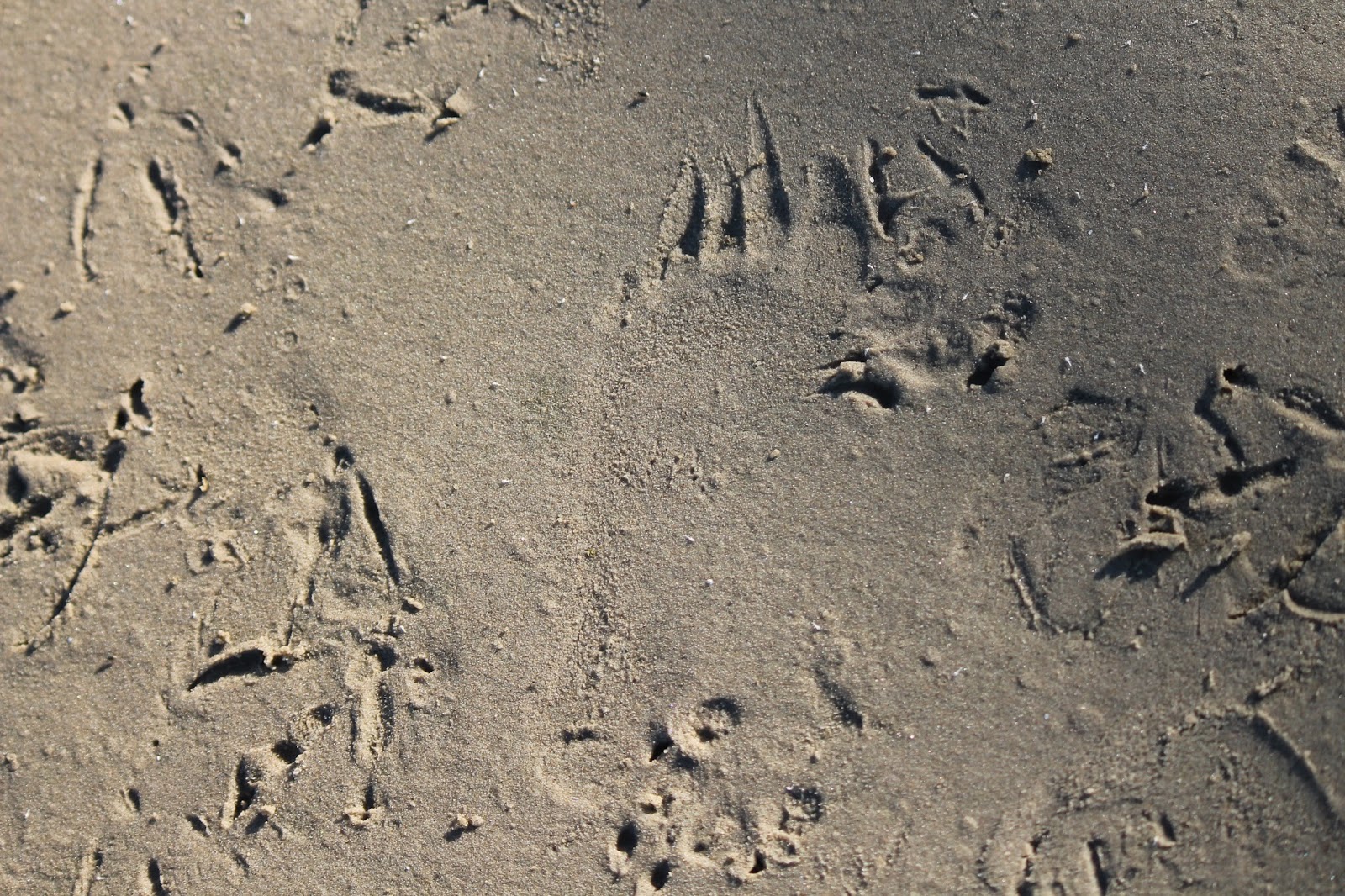
Mystery Tracks
March 2, 2013
Anything Out There?
I had a limited amount of time yesterday, when I took my walk. My goal was to photograph at least one living thing, and then get to work on time. The world looked bleak and cold, and at first there didn't seem to be much stirring. Then I actually got out of the car.
I first saw seagulls, soaring through the frigid air over the open river. Others were conserving their energy, and heat. Theirs was the first call of the morning.
The chorus was then taken up by sparrows, chipping away in the tree tops. I could not find them, but they were near.
Next I had the fun of seeing squirrel tracks in the snow, and marveled at the indentation of each little paw pad. They left plenty of tracks dashing about from tree to tree.
Then I spotted a lovely pair of mallards on the water. They are common enough, but as the hen preened I was reminded of how they waterproof their feathers against the wet, and how marvelously adapted they are to survive in the cold.
Walking further along I heard the cry of a Canada goose and had the pleasure of seeing two pairs come in for a landing just down the bank from me. I know they are a nuisance in public parks, and for private land owners, but I can never quite lose my awe of their ability to fly and of their beautiful, powerful shapes.
I then traced a set of mammal tracks down an embankment and over some big rocks to the edge of the water. The tracks were fresh, and some of them were tinted with brown from a point where the creature had stopped to scrabble in a muddy hole along the way. I've examined these tracks closely, but cannot tell what animal made them for sure. Any help from you readers would be greatly appreciated. Post your thoughts in the comment section below.
Next a crow warned his brothers of the danger of my approach. Fearsome me. I could not find him, but the raucous call was familiar enough. Why I alarmed them I am not sure, except that they are ever vigilant.
By this point, my fingers were cold to the point of hurting, so I headed back to the car. Driving up river a ways, I quickly tried another location. From out of the blue came a dazzling sight - a kingfisher, jewel of the morning! He flashed across my field of view, paused for a split second on a branch, and zipped away, beyond recall. I waited and watched, in hopes of his return, but that was not to be. The day I can photograph one of those will be a red-letter day indeed.
Walking along the river, I kept my eyes open for more wildlife. Some thin bird tracks in the snow left me wondering what species had left them. It was something smaller than a crow, but bigger than a sparrow or cardinal. I had to leave that mystery behind me.
As my remaining minutes melted away, my attention was caught by a couple of birds darting about in the trees on the edge of a field. Approaching closer, I tried to distinguish their form and features - then caught a little flash of red. Woodpeckers. "Pretties!" I exclaimed. They flitted about quickly, in a tangle of branches, more interested in each other than in me.
Then it was time to go. As I drove to work, I passed a few mourning doves on the telephone wires. I wished I could stop to capture them with my camera. And as I left my parked car and went in to work, the cheery calls of a black-capped chickadee reminded me that spring is coming, and before too long I will be wandering the fields in the oven heat of summer.
October 2, 2012
Going Tharn
Watership Down is a book written by Richard Adams. In that book, a group of rabbits leave their home warren and make their way in the world, encountering many challenges to their survival. Adams included several words of his own invention to describe the rabbit culture in his story. The word "tharn" is one of them. It means frozen with fear, where a rabbit is so scared that he freezes on the spot and presses himself to the earth in spite of oncoming danger. And that is exactly the word that popped into my head when I saw this rabbit.
He had gone tharn. This rabbit was not eating, and he was not sleeping. He could clearly see us, but made no move to run away. In fact, he didn't move a muscle. Everything about him - his behavior and posture - said "Stay away!" Something was not right.
I wondered if he was truly just scared out of his wits, or if he was too sick or injured to move. Rabbits do not usually sit still in plain sight and in close proximity to humans the way this fellow was. Normally they hop away quickly to shelter, such as a nearby bush.
His ears were lying back in an unnatural way and it was pathetic. in the true sense of the word, to see him display this odd behavior. We quickly left the poor creature alone, so as not to traumatize him any further. When we came back through about an hour later, he was gone.
He had gone tharn. This rabbit was not eating, and he was not sleeping. He could clearly see us, but made no move to run away. In fact, he didn't move a muscle. Everything about him - his behavior and posture - said "Stay away!" Something was not right.
I wondered if he was truly just scared out of his wits, or if he was too sick or injured to move. Rabbits do not usually sit still in plain sight and in close proximity to humans the way this fellow was. Normally they hop away quickly to shelter, such as a nearby bush.
His ears were lying back in an unnatural way and it was pathetic. in the true sense of the word, to see him display this odd behavior. We quickly left the poor creature alone, so as not to traumatize him any further. When we came back through about an hour later, he was gone.
September 25, 2012
A Goose Story
When I was walking on the bike trail the other day, I noticed a lone goose ahead of me. He was walking in the same direction that I was. He had a chain link fence on his left, and the river on his right.
A flock of his compatriots were happily feeding in a grassy field beyond the chain link fence. The fence had just started a few feet behind me. He must have wandered around the end of it before I came along, and accidentally gotten separated from his flock.
A bicyclist came at him from the other direction. The goose got agitated, but the wise cyclist gave him a wide berth and quickly moved past. I was surprised that this goose did not fly over the fence to be with his fellows. That's what I would have done.
The goose kept looking over at his family and friends, honking. As I continued my walk, approaching closer to him, he began really crowding the fence, looking up, down, and all around for a way through it. No such luck. If he could have climbed through one of those tiny little holes, he would have. He desperately wanted to get away from me and back to his people. In a word, he was distressed.
I wondered if I would be able to get past him without being attacked. You might laugh, but Canada geese can be very aggressive. They have been known to attack people when they feel threatened. So I was cautious.
I thought to myself that if I could get past him, then maybe I could herd him back the other way, to where the fence ended. Then he could rejoin his group. Otherwise, if he continued in his original direction, he would be cut off from his family by half a mile of fence or more, as it circled around a factory and out of sight. I knew he would be ok in the end, but we humans like to feel helpful, and I could see myself as the hero of the day - "Woman Helps Goose Reunite With Family!"
The goose took matters into his own wings, and out of desperation he fled down the rocky embankment and into the river. He was now completely out of sight of the other geese, but at least he was heading back in the right direction. He eyed me suspiciously as he paddled vigorously away. I wished him luck and continued my walk, wondering how it would all turn out for him.
Twenty minutes later as I returned along the same path, I saw him again, back on the bike trail. He was very near the end of the chain link fence, and I felt great hope that he would soon be reunited with his feathered friends - if he could just get around the end of that barrier! He was facing the wrong way, however, and I wondered what kind of goose thoughts he was thinking. Was he just sunbathing, or was he still confused about how to get to the other geese?
Suddenly, another goose appeared, having flown over from the grassy field. The two of them had a brief, loud reunion, and then swooped away to a nearby pond. Finally he was back among his own kind! I shouted congratulations to them, and felt happy in my heart. No one likes to be in forced separation from their family.
I don't know for sure, but I think this particular goose was born just this spring, and was a novice at dealing with such barriers. Baby Canada geese stay with their families for a year before going off on their own, and they are never so happy and comfortable as when they are with their flock. I was glad to see the end of his little drama, and couldn't help but extrapolate to human relationships. Sometimes in life we wander off course and find ourselves separated from our friends and family. Once we realize this, we may look back on our life regretfully, and wonder how to get back. There is usually someone else who sees our situation more clearly than us, and could help us if we would let them. I hope that if any of us find ourselves in such a situation, that we will go directly to the source of all help - our loving Heavenly Father - and seek for inspiration to know what we are to do.
A flock of his compatriots were happily feeding in a grassy field beyond the chain link fence. The fence had just started a few feet behind me. He must have wandered around the end of it before I came along, and accidentally gotten separated from his flock.
A bicyclist came at him from the other direction. The goose got agitated, but the wise cyclist gave him a wide berth and quickly moved past. I was surprised that this goose did not fly over the fence to be with his fellows. That's what I would have done.
The goose kept looking over at his family and friends, honking. As I continued my walk, approaching closer to him, he began really crowding the fence, looking up, down, and all around for a way through it. No such luck. If he could have climbed through one of those tiny little holes, he would have. He desperately wanted to get away from me and back to his people. In a word, he was distressed.
I wondered if I would be able to get past him without being attacked. You might laugh, but Canada geese can be very aggressive. They have been known to attack people when they feel threatened. So I was cautious.
I thought to myself that if I could get past him, then maybe I could herd him back the other way, to where the fence ended. Then he could rejoin his group. Otherwise, if he continued in his original direction, he would be cut off from his family by half a mile of fence or more, as it circled around a factory and out of sight. I knew he would be ok in the end, but we humans like to feel helpful, and I could see myself as the hero of the day - "Woman Helps Goose Reunite With Family!"
The goose took matters into his own wings, and out of desperation he fled down the rocky embankment and into the river. He was now completely out of sight of the other geese, but at least he was heading back in the right direction. He eyed me suspiciously as he paddled vigorously away. I wished him luck and continued my walk, wondering how it would all turn out for him.
Twenty minutes later as I returned along the same path, I saw him again, back on the bike trail. He was very near the end of the chain link fence, and I felt great hope that he would soon be reunited with his feathered friends - if he could just get around the end of that barrier! He was facing the wrong way, however, and I wondered what kind of goose thoughts he was thinking. Was he just sunbathing, or was he still confused about how to get to the other geese?
Suddenly, another goose appeared, having flown over from the grassy field. The two of them had a brief, loud reunion, and then swooped away to a nearby pond. Finally he was back among his own kind! I shouted congratulations to them, and felt happy in my heart. No one likes to be in forced separation from their family.
I don't know for sure, but I think this particular goose was born just this spring, and was a novice at dealing with such barriers. Baby Canada geese stay with their families for a year before going off on their own, and they are never so happy and comfortable as when they are with their flock. I was glad to see the end of his little drama, and couldn't help but extrapolate to human relationships. Sometimes in life we wander off course and find ourselves separated from our friends and family. Once we realize this, we may look back on our life regretfully, and wonder how to get back. There is usually someone else who sees our situation more clearly than us, and could help us if we would let them. I hope that if any of us find ourselves in such a situation, that we will go directly to the source of all help - our loving Heavenly Father - and seek for inspiration to know what we are to do.
September 21, 2012
Common Reed
The scientific name for the common reed is not so common. In fact, it's a lot of fun to say. It is "Phragmites australis". Say it. Say, "Phragmites!"
The common reed, which is very tall and grows in wetlands, is one of the most common plants worldwide. The only continent where you can't find it is - you guessed it - Antarctica.
It has been used to make thatched roofs for cottages, baskets, mats, musical instruments, brooms, arrows, and spears. It has also been a food source for humans and animals.
There are two basic kinds of Phragmites australis here in North America. Invasive, and non-invasive. The invasive kind seems to have started along the eastern seaboard and worked it's way west, as with so many other invasive species.
I have no solid idea which kind I have captured in these photographs. They are difficult for a layman like me to tell apart. The native species usually grows in less dense stands, has lighter leaf coloring, and more red coloring along the nodules and stems.
For an excellent field guide on this matter, go to the following web address:
http://www.nps.gov/plants/alien/fact/pdf/phau1-powerpoint.pdf
The two women who wrote this treatise, Jil Swearingen and Kristin Saltonstall, have done a superior job in their writing and their use of photographs and drawings.
| Summer |
The common reed, which is very tall and grows in wetlands, is one of the most common plants worldwide. The only continent where you can't find it is - you guessed it - Antarctica.
| Summer |
It has been used to make thatched roofs for cottages, baskets, mats, musical instruments, brooms, arrows, and spears. It has also been a food source for humans and animals.
| Winter |
There are two basic kinds of Phragmites australis here in North America. Invasive, and non-invasive. The invasive kind seems to have started along the eastern seaboard and worked it's way west, as with so many other invasive species.
| Winter stand |
I have no solid idea which kind I have captured in these photographs. They are difficult for a layman like me to tell apart. The native species usually grows in less dense stands, has lighter leaf coloring, and more red coloring along the nodules and stems.
For an excellent field guide on this matter, go to the following web address:
http://www.nps.gov/plants/alien/fact/pdf/phau1-powerpoint.pdf
The two women who wrote this treatise, Jil Swearingen and Kristin Saltonstall, have done a superior job in their writing and their use of photographs and drawings.
September 20, 2012
Subscribe to:
Posts (Atom)